




In the village of Yavkine in the Mykolaiv region, Sabri Alishanov is developing a farm that has already become an example of sustainability. In three years, he has created a powerful farm practically from scratch, and is now preparing for an important step — the transition to solar energy.
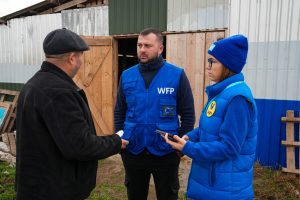
Thanks to the “Assistance to Frontline Households” project, implemented by our foundation in partnership with the United Nations World Food Programme (WFP), Sabri has already received funding to purchase modern energy equipment. He will soon install 18 solar panels, two batteries, and a hybrid inverter on his farm.
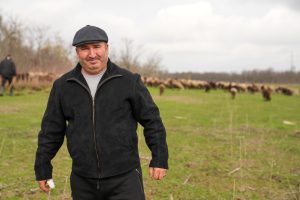
According to him, this is not just modernization, but a guarantee of business survival in conditions of unstable energy supply.
“These panels will help us keep production going. During power outages, this is crucial, because milking cows cannot wait,” explains the farmer.
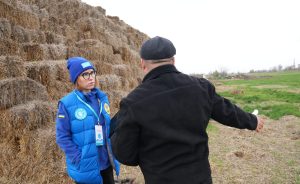
Sabri’s path to farming was not easy. He used to transport livestock to Azerbaijan and Turkey, but always dreamed of having his own business on his native land.
“Animal husbandry has been my dream since childhood. I told myself: I’ll grow up and do this. Today you can see the result: I created everything with my own hands, often using materials at hand,” Sabri shares.
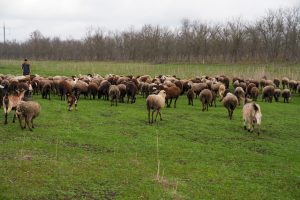
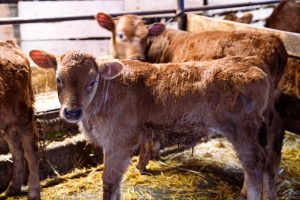
The farmer has diversified his operations to minimize risks:
Livestock: 45 dairy cows, calves, 400 sheep, and 30 goats.
Infrastructure: Three large barns, built by hand.
Land: 13 hectares for fodder production. In addition to dairy, Sabri grows melons, tomatoes, and potatoes.
“If the land is poor or there is no harvest, my livestock will save me,” he says of his survival strategy.
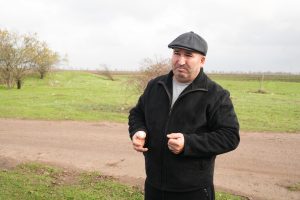
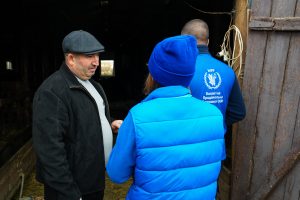
Sabri Alishanov is not just developing his business, he is creating a future for the entire village. He currently employs four local residents and continues to invest in expanding his land.
“The village must flourish. It should not be destroyed, but developed,” the farmer believes.
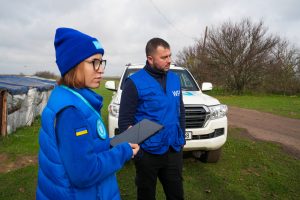
To date, 28 people, including five residents of the village of Yavkine, have already received grant support under the “Assistance to Frontline Households” project. The project helps local producers adapt to difficult conditions and maintain food security in the region.